
Market Report 12.12.2025
Osterhorn, Friday, 12.12.2025
The US $ in EURO: 1,1735
What happened this week
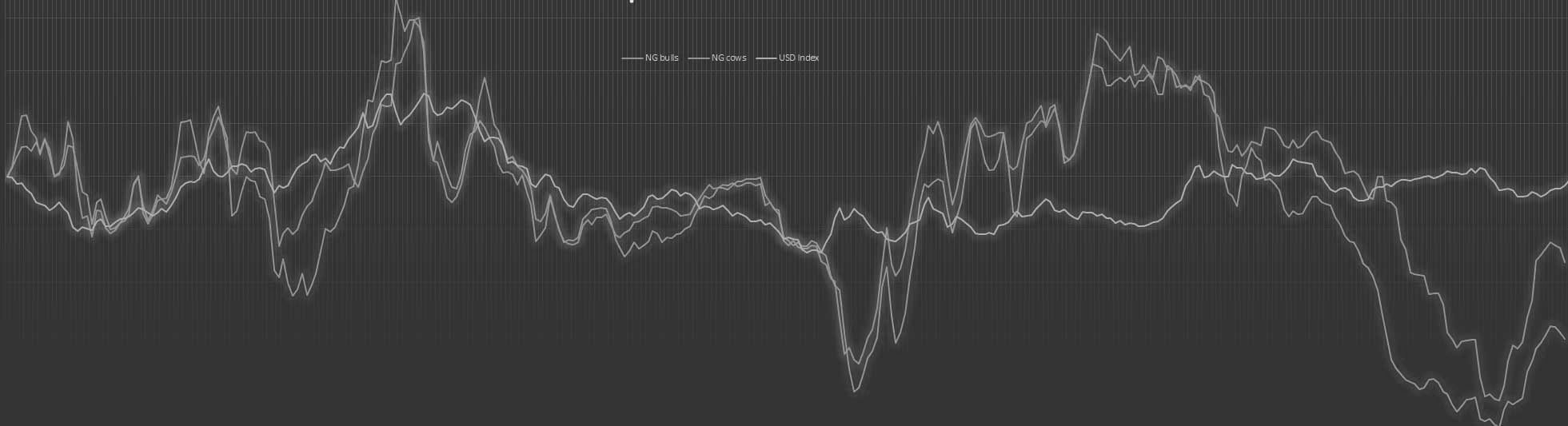
The past week brought very few changes to the overall market situation, and the question increasingly arises whether weekly reports will retain much informational value until the beginning of the new year. Market dynamics remain subdued, and activity in the raw materials sector continues at a low level. Demand for raw hides remains weak. Tanneries currently have no forward planning extending far into the new year, nor do they have sufficient orders in hand to justify securing substantial volumes at this stage. Given the abundant and readily available supply of raw material, there is little incentive for manufacturers to cover future needs early or to lock in deliveries ahead of time. As a result, most European players are approaching the holiday period with a rather relaxed mindset. From China, the signals remain equally unencouraging. In particular, producers in Northern China report a lack of export orders for finished leather products, including footwear and leather goods. Split prices continue to decline steadily, exerting additional downward pressure on hide values. Competitive origins that supply the Chinese market are also offering at notably low price levels, which intensifies the pressure on European hides and limits buyer interest further. At present, there appears to be little genuine underlying demand, aside from sporadic speculative inquiries from overseas customers. Many potential buyers may simply be waiting for the holiday period to pass, hoping to capture end-of-year or early-January discounts, as has often occurred in previous years. Within Europe, most planning for the remainder of the year has already been completed. It is possible that in the coming week, the final week before the holidays, a few conversations will take place regarding purchasing strategies for January. This may result in some additional sales being concluded, though we do not expect these to have any material influence on price levels. Against this backdrop, industry discussions increasingly focus on the broader structural question: What will the future of the hide as a by-product look like? Rising processing and logistics costs, changing demand patterns, and the growing diversion of hides into the collagen and protein sectors continue to reshape the economics of collection, processing, and marketing. As mentioned, hide prices remained largely unchanged this week, and the few deals concluded were more the outcome of isolated opportunities than evidence of any market trend. The returned weakness of the USD isn’t any help either. At present, pricing itself is less central than the fundamental question of how bovine hides can be marketed sustainably in the future — considering both cost structures and achievable returns and butchers have to focus less on the prices and more on the direction and options they have for the time it lasts.
The kill
Slaughter activity remained at a relatively high level this week, although notable differences between individual producers were evident. It appears that competitive dynamics within the meat sector are also shifting, and the ongoing discussions and anticipated decisions surrounding the sale of Vion in the first quarter of 2026 may already be influencing market behaviour. Livestock prices likewise remain at comparatively elevated levels, and the current high slaughter numbers—while not reaching the peak volumes of previous years—are likely linked to seasonal stocking ahead of the Christmas period. There is still no clear guidance on how slaughterhouses intend to operate in the days immediately preceding the holidays, but it is conceivable that some plants may reduce or even suspend production temporarily. Consequently, we expect next week’s output to remain broadly in line with current levels, with the potential for pronounced upward or downward deviations toward the end of the week.
What do we expect
As can be seen from our previous reports and again from this week’s assessment, we expect hardly any significant changes in market activity or pricing. It must be emphasised once more that this has relatively little to do with the underlying market fundamentals; current price stability does not reflect the true state of demand or market activity. As a result, discussions increasingly centre on how a good part of the continuously generated bovine hides from beef production can be collected, processed, and marketed in the future. This has reached now to be also a European challenge and not just one of the problem of others. Solutions will certainly emerge, but they are likely to look very different as long as demand for leather fails to recover in any meaningful way. Under these conditions, it would be hardly credible to offer any price forecasts for the near future, since—as already noted—prices are currently far from being the decisive momentum in the market.
Price Table
| Type | Weight range | Avg. green weight | Salted weight | Avg. weight salted | Price per kg | Trend |
|---|---|---|---|---|---|---|
| Ox | Heifers | 15/24,5 kg | 22,0/23,5 kg | 13/22 kg | 20/21 kg | € 0,80 | stable |
| 25/29,5 kg | 27,5/28,5 kg | 22/27 kg | 25/26 kg | € 0,60 | Stable | |
| Dairy cows | 15/24,5 kg | 22,5/23,5 kg | 13/22 kg | 20/21 kg | € 0,40 | Stable |
| 25/29,5 kg | 27,5/28,5 kg | 22/27 kg | 25/26 kg | € 0,50 | Stable | |
| 30/+ kg | 33,5/35,5 kg | 27/+ kg | 29/31 kg | € 0,50 | Stable | |
| Bulls | 25/29,5 kg | 27,5/28,5 kg | 22/27 kg | 25/26 kg | € 0,80 | Pressure |
| 30/39,5 kg | 36,0/37,0 kg | 24/34 kg | 31/33 kg | € 0,80 | Pressure | |
| 40/+ kg | 45,0/48,0 kg | 34/+ kg | 38/40 kg | € 0,85 | Pressure | |
| Thirds | 15/+ kg | 25,0/27,5 kg | 13/+ kg | 24/26 kg | € 0,40 | Stable |
| Thirds bulls | 30/+ kg | 38,0/40,0 kg | 24/+ kg | 33/36 kg | € 0,45 | Stable |